

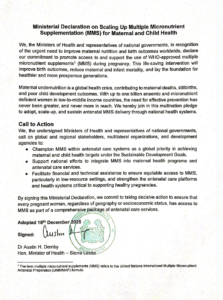
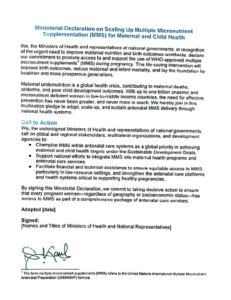
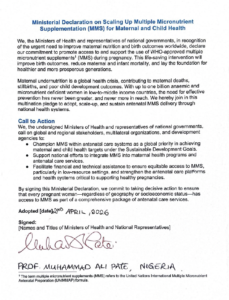
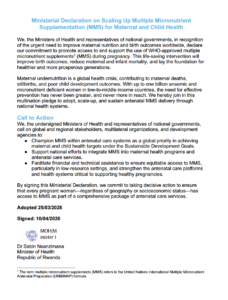
21 May 2026 – Ministers of Health from Asia and Africa have endorsed a Ministerial Declaration on Scaling Up Multiple Micronutrient Supplementation (MMS) for Maternal and Child Health, committing their governments to integrate UNIMMAP MMS into their national antenatal care systems. The declaration represents a growing global coalition leading the fight against preventable maternal deaths, stillbirths, and newborn complications.

Photo: Syed Mustafa Kamal, Minister of Health, Pakistan. PC: René Torres
Photos
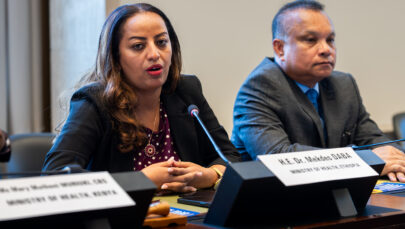
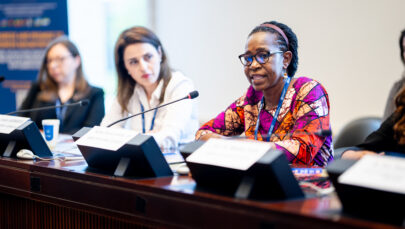
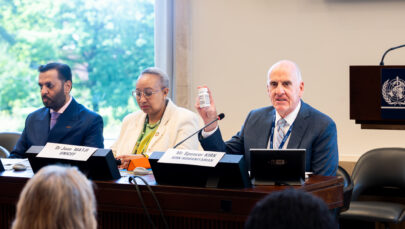
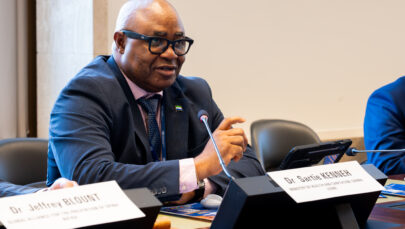
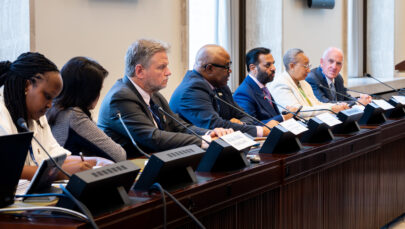
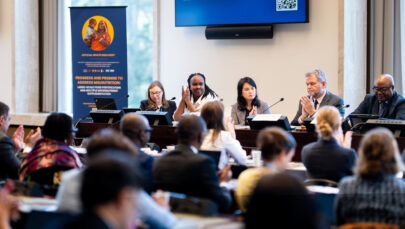




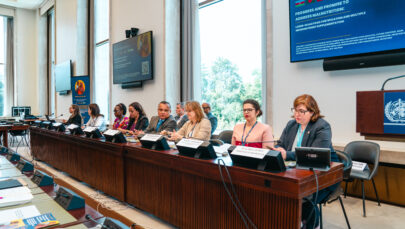


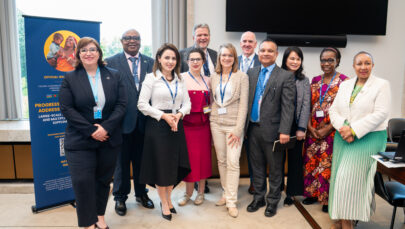
On 21st May 2026, Ministers of Health from Pakistan, Rwanda, Sierra Leone, and Nigeria announced this landmark Ministerial Declaration at the 79th World Health Assembly, committing their governments to integrate MMS into national antenatal care systems, marking a major shift from pilot initiatives to large-scale implementation.
Additional endorsements from Ministers are underway, which will lead to even more governments committing to:
- Elevating maternal nutrition as a national and global development priority
- Driving policy adoption and regulatory alignment, including integration of MMS into national Essential Medicines Lists
- Mobilizing financial resources and strengthening investment in maternal nutrition
- Accelerating the transition from iron and folic acid (IFA) to MMS within antenatal care systems
- Enhancing supply chains and manufacturing capacity to improve availability and affordability
- Building health workforce capacity and increasing awareness through social and behavior change efforts
By demonstrating shared political will, countries are helping to move maternal nutrition higher up the global agenda and close the gap between evidence and implementation, thus paving the way toward healthier pregnancies, stronger newborns, and more resilient communities.
Use this social media toolkit to help spread the word
Read the Press Release
PC: René Torres
About the Ministerial Declaration: From Commitment to Action Across Five Key Areas
-
- Integrating MMS into national health policies and Essential Medicines Lists
- Aligning national guidelines with WHO and UNICEF recommendations
- Streamlining regulatory processes for procurement and distribution
-
- Developing national roadmaps to transition from IFA to MMS
- Expanding implementation research and pilot programs
- Strengthening supply chains to ensure consistent and affordable access to MMS
-
- Incorporating MMS into national and subnational health financing systems
- Mobilizing domestic and international funding
- Engaging private sector and development partners for sustainability
-
- Training healthcare workers on MMS delivery and benefits
- Launching awareness campaigns to increase demand among pregnant women
- Strengthening partnerships across civil society, academia, and development sectors
-
- Establishing robust tracking systems for MMS coverage and outcomes
- Integrating MMS indicators into national health information systems
- Promoting research and cross-country learning to refine implementation
Resources
Use these resources to learn more about scaling MMS at the national level.