
MMS helps mothers, children, and communities not just survive, but thrive.
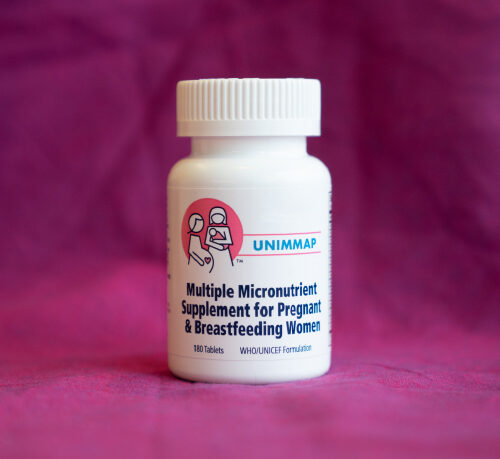
Multiple Micronutrient Supplements (MMS) has been the standard of care in high-income countries for many years. The WHO/UNICEF formulation of MMS (known as UNIMMAP), containing 15 essential nutrients, are a proven and powerful way to ensure the health and well-being for vulnerable pregnant women and their babies.
More than 25 years of evidence have made the benefits clear: MMS doesn’t just improve lives – it saves them.
MMS improves birth outcomes by reducing the risk of babies being born stillborn, or born too small, or too soon. When a woman takes MMS during pregnancy, she has a 27% lower risk of giving birth to a low birthweight baby born too small or too soon. The benefits are even greater for anemic women, who are at higher risk of dying due to postpartum hemorrhage and eclampsia, two leading causes of maternal death.
MMS has the potential to improve a child’s cognitive and behavioral development, setting them up for a lifetime of better health.
Poor nutrition in the early days of a child’s life can cause irreversible damage to their growing brain. It can also set the stage for future chronic diseases which can lead to a lifetime of health problems.
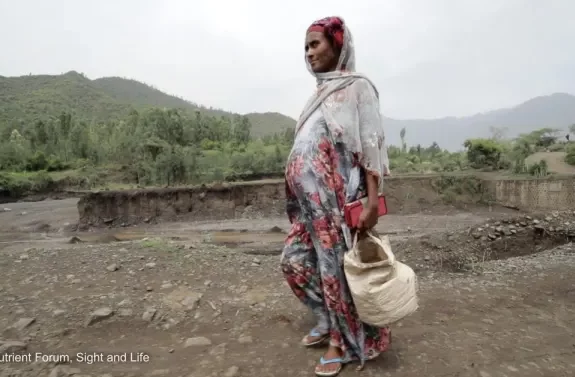
MMS builds resiliency and helps families better withstand and recover from conflicts, epidemics, and climate change.
As the global temperature rises, so do the risks of preterm births, low birthweight, and stillborn babies. Nutrition interventions such as MMS play a foundational role in helping families better prepare for, withstand, and recover from current and future crises. MMS has the power to be a social equalizer.
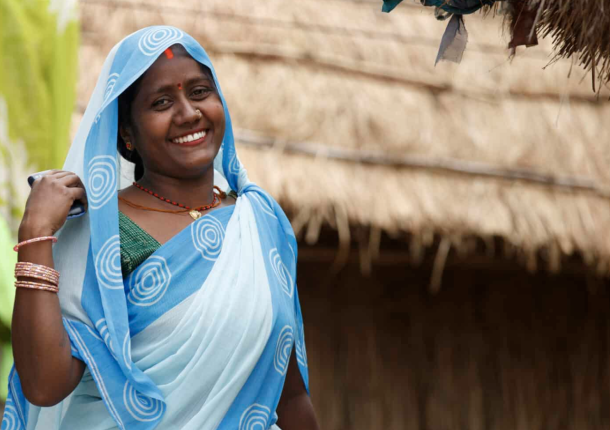
Ensuring that pregnant women in low- and middle-income countries have access to the same standard of care that has long been available to women in high-income countries.
Supporting the nutrition of women and girls is crucial for delivering on and inextricably linked to meeting several of the United Nations’ Sustainable Development Goals, a global movement for a better world for everyone.
Consult the resources
-
One-pager
The High-impact Intervention for Healthier Women and Babies One-pager explains the health, well-being and societal benefits of MMS for women, babies, families, communities, and nations.
View Resource -
Fact sheet
The High-impact Intervention for Healthier Women and Babies Fact sheet provides relevant data points on the health benefits of MMS.
View Resource -
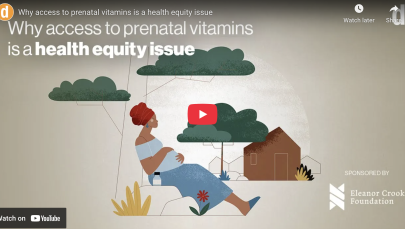
Devex's video
Devex’s video, “Why access to prenatal vitamins is a health equity issue”, sponsored by the Eleanor Crook Foundation, explores the consequences of lack of access to prenatal multivitamins and the health benefits of intervention for mothers and their babies.
View Resource -
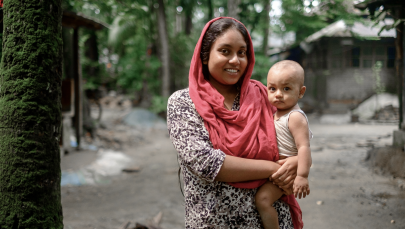
Knowledge Hub
The Knowledge Hub is a dynamic, publicly accessible repository for existing MMS knowledge, guidance, tools, and other useful resources.
View Resource -
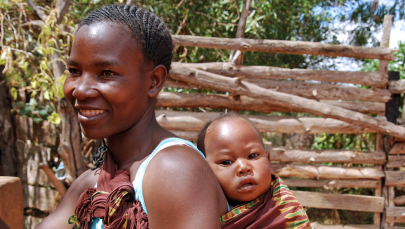
Advocacy Resource Center
HMHB Advocacy Resource Center connects national governments and their development partners with the latest information, evidence, tools, and MMS-relevant policies necessary to adopt and scale MMS at the country level as well to support maternal health programs that include MMS.
View Resource -

Women's Voices
The HMHB Women’s Voices video series provide an up-close view into the lives of mothers during pregnancy and the commitment of the community workers who support them.
View Resource -
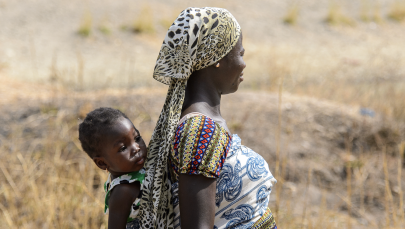
Lives Saved Tool (LiST)
Lives Saved Tool (LiST) is an advocacy, evaluation, and strategic planning tool that allows users to estimate the impact of scaling up on maternal, newborn, and child health and nutrition interventions in low- and middle-income countries. LiST was developed by Johns Hopkins Bloomberg School of Public Health and funded by the Gates Foundation.
View Resource
Resources
Further With 15 messaging, resources, and tools are available in multiple languages.
Explore