

28 September 2026 – As global leaders gather in Accra for the Micronutrient Forum 2026 Global Conference, Ghana is emerging as a leading example of how governments can take ownership of nutrition programs and build sustainable systems that improve the health of women and children. A recent Devex feature spotlights Ghana’s efforts to move from donor-dependent nutrition services toward a government-led model that integrates the prevention and treatment of malnutrition into the national health system. At a time when an estimated 62,000 children in Ghana suffer from severe wasting and more than half of pregnant women are affected by anemia, the country is demonstrating that lasting progress is possible through national leadership, strategic investments, and strong partnerships.
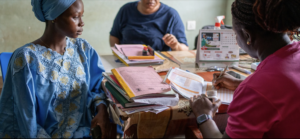
Central to Ghana’s approach is the integration of wasting treatment and multiple micronutrient supplements (MMS) into the National Health Insurance Scheme. By embedding these lifesaving nutrition interventions within existing health systems, Ghana is helping ensure that women and children can access essential services through routine healthcare platforms rather than relying solely on externally funded programs. The results are already encouraging. More than 20,000 children with severe wasting have been enrolled in treatment programs, while nearly 10,000 pregnant women have received MMS through government-supported services. These milestones reflect Ghana’s commitment to expanding evidence-based nutrition interventions and strengthening maternal and child health outcomes nationwide. The effort is being supported through technical assistance from the Clinton Health Access Initiative (CHAI) and catalytic funding from the Eleanor Crook Foundation, helping to strengthen systems that can sustain services long into the future. By investing in policy development, supply chains, financing mechanisms, and health worker capacity, Ghana is building a foundation for long-term nutrition impact.
Ghana’s progress aligns closely with the vision outlined in President John Dramani Mahama’s “Accra Reset,” which calls on African countries to develop health systems that are nationally owned, financed, and sustained. The country’s nutrition agenda provides a practical example of how governments can translate that vision into action by prioritizing domestic leadership and integrating nutrition into broader health system reforms. For the Healthy Mothers Healthy Babies (HMHB) Consortium and its partners, Ghana’s experience offers important lessons for countries seeking to scale up nutrition interventions, including MMS, through sustainable and nationally driven approaches. As conversations at the Micronutrient Forum 2026 Global Conference continue this week, Ghana’s story serves as a powerful reminder that country ownership is not only possible but essential for achieving lasting improvements in maternal and child nutrition.