

Health Indicators
Programs
Download PDFSummary: Phase 1. Exploration phase to build an enabling environment
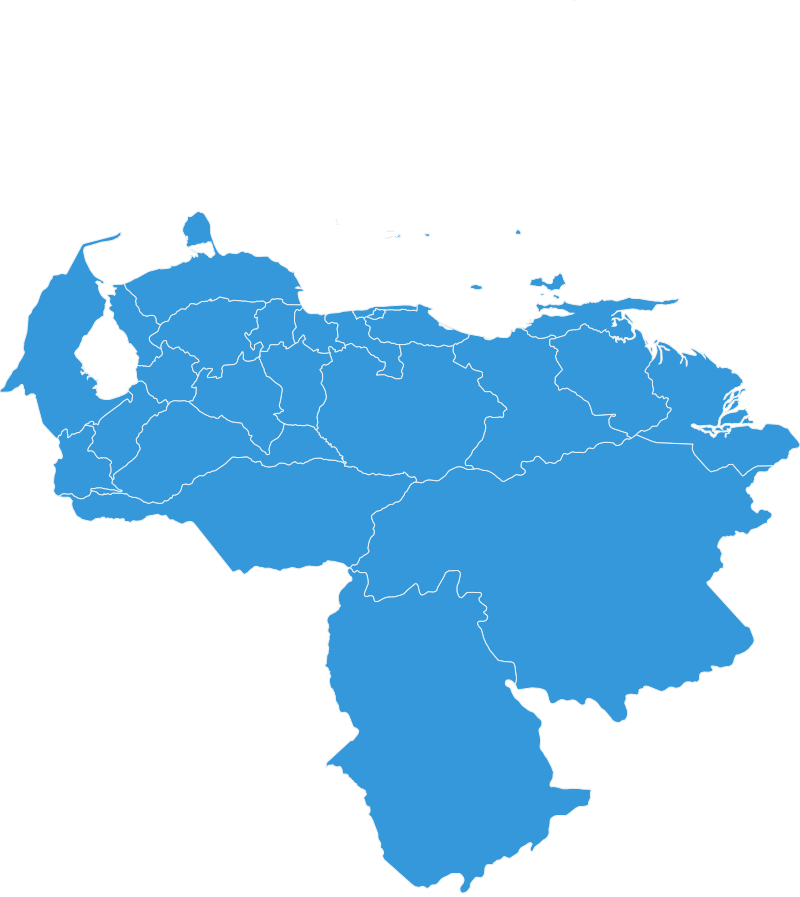
Venezuela’s national strategy for maternal health aims to improve the quality and human‑centered delivery of antenatal, postnatal, and infant care. UNICEF began introducing MMS in 2021 through a phased, geographically targeted approach. Although a nutrition situation analysis has been completed, the country does not yet have a costed operational plan or defined strategies to optimize MMS implementation. By the end of 2024, MMS distribution for pregnant women had begun, but the initiative remains in a pilot phase, with targeted rather than nationwide coverage. The current MMS supply chain depends entirely on imports, underscoring the need for a more sustainable procurement model. Establishing a National MMS Task Force is a critical next step to coordinate stakeholders, guide policy development, and support scale‑up. Inclusion of MMS in the Essential Medicines List (EML) also remains a priority to formalize its integration within the national health system.
(Source: HMHB Survey 2025)
Dashboard
Policy and Regulatory Status
Implementation Status
Coverage and Utilization
Key Program Actors and Partners
Supply Chain
Monitoring Evaluation and Research
Financing and Sustainability
Challenges and Next Steps
Tools and Resources
Summary: Phase 2. Pilot/Implementation Research & Program Design
UNICEF introduced BEP supplementation in 2021, targeting underweight pregnant women in specific geographic areas as part of the humanitarian response programme. The chosen supplement is Lipid-based Nutrient Supplement for Pregnant and Lactating Women (LNS-PLW; for more details refer to the UNICEF Supply Catalogue) or Plumpy’Mum and is provided for 60 days or until adequate weight gain for gestational age is achieved. BEP supplementation implementation is not a national program but there are formal plans to scale up.
(Source: HMHB Survey 2025)